This tree is found in High Park, Toronto, and I’ve always found it most interesting. I like the way it is captured by an ultra-wide lens.
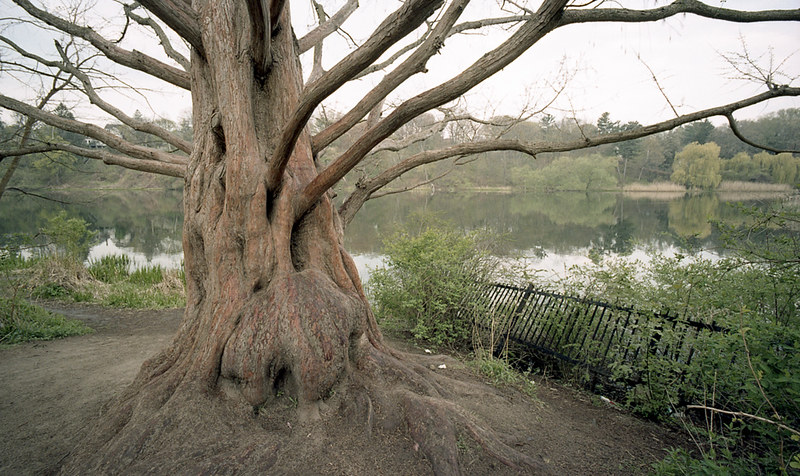
Voigtlander R 35mm rangefinder, 15mm/4.5 Super-Heliar lens
Svema Foto 125 Colour C-41 film
This tree is found in High Park, Toronto, and I’ve always found it most interesting. I like the way it is captured by an ultra-wide lens.
Voigtlander R 35mm rangefinder, 15mm/4.5 Super-Heliar lens
Svema Foto 125 Colour C-41 film
This past Saturday I went to nearby Taylor Creek Park to shoot some Rollei Retro 80s film (with my Rolleiflex). One of the advantages of this film is that if you use an infrared filter (such as an IR 72 that looks almost completely opaque to the naked eye) you can do infrared photography, and I just love the ghostly, otherworldly look you get when doing this.
The Rolleiflex is a perfect camera for infrared: as a twin lens reflex camera, the viewing lens is not covered by the filter so focussing is never an issue. On a single lens reflex camera, the filter must keep coming off (for focusing/composition) and on (shooting).
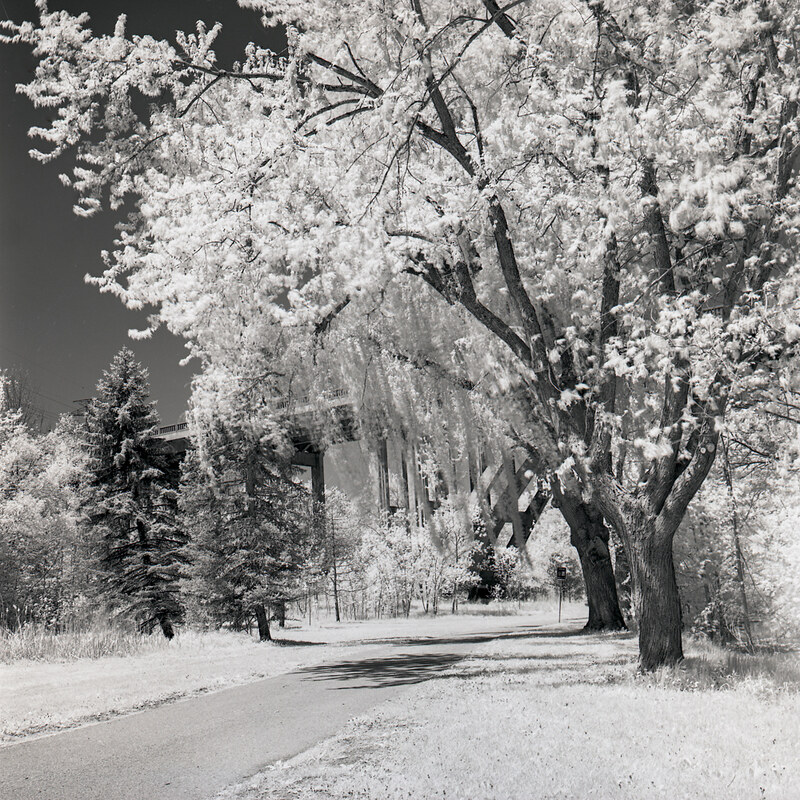
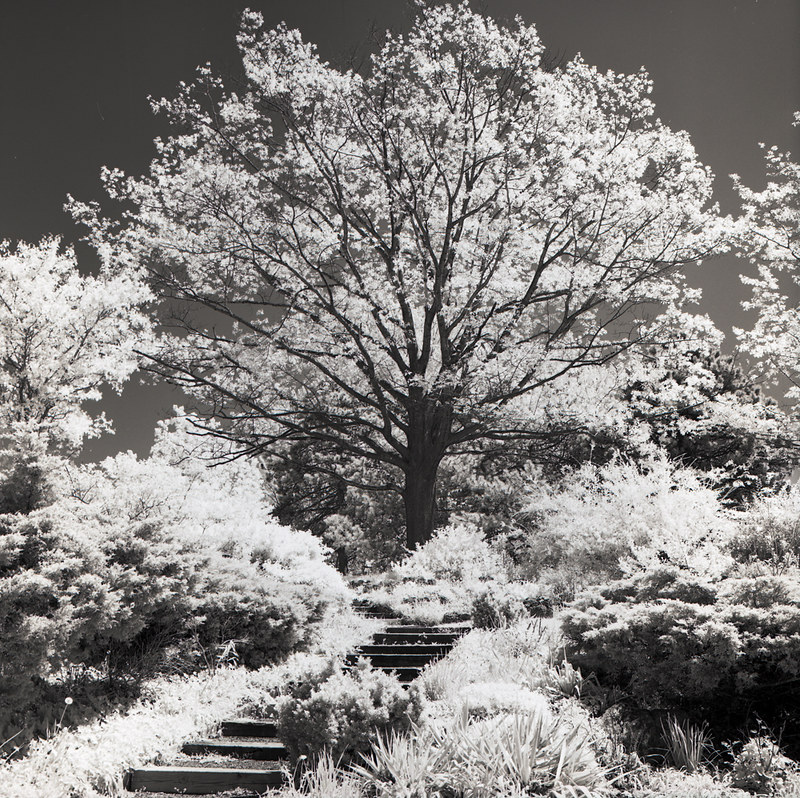

All images taken with Rolleiflex E3, 75mm/3.5 Xenotar lens with IR72 filter
Exposure 1/2 to 1 second @ f16, on Rollei Retro 80s film
Film developed in Rodinal 1+50 for 14 minutes @ 20 C
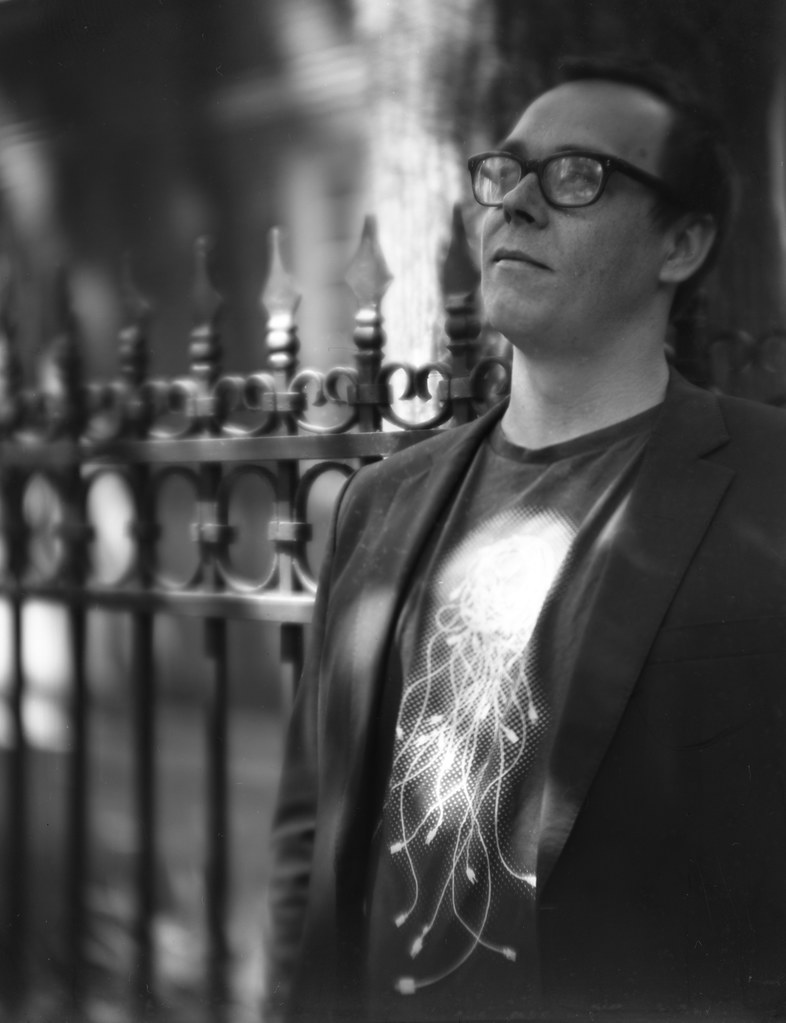
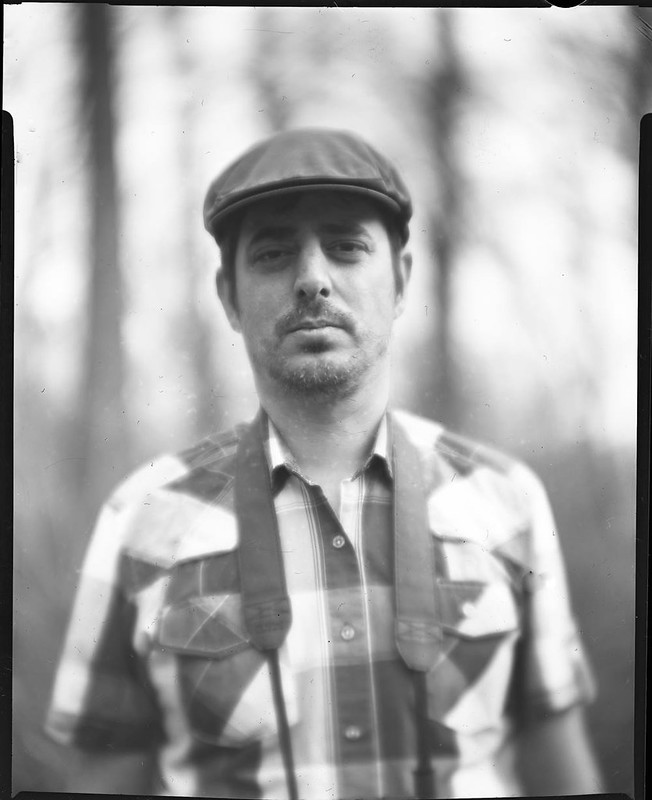
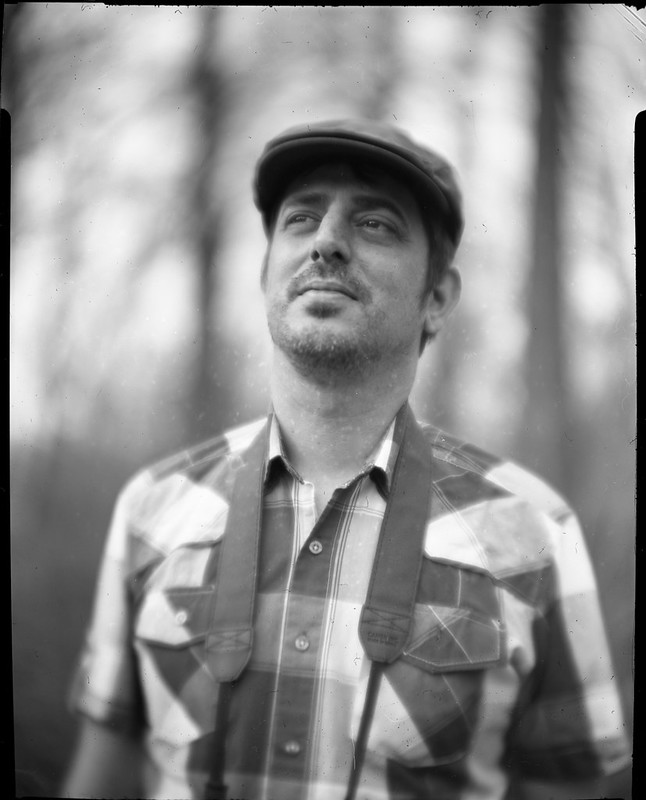
It struck me in a moment of after-the-fact obviousness that my images of Brent needed to be in my Portrait of the Artist series. As a podcaster and video game designer, Brent has a lot of creative depth, and as I work more with the vintage Petzval lens for portrait work, to my eyes it is a great lens for capturing the depth of a person’s character, and Brent does have a lot of depth and character!
All images were created with my Speed Graphic 4×5, shot on EFKE Ortho 25 film.

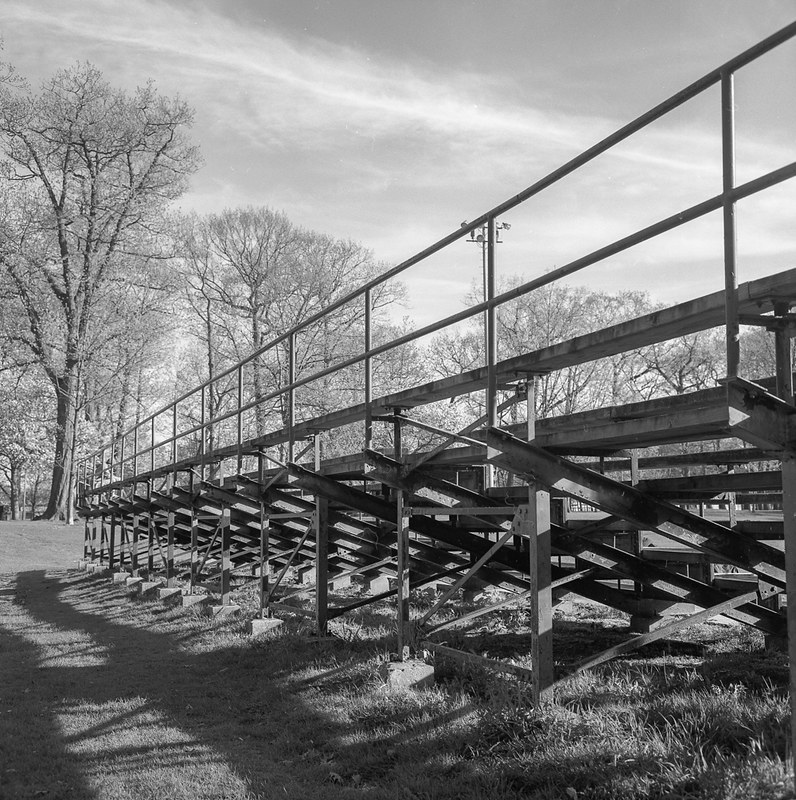
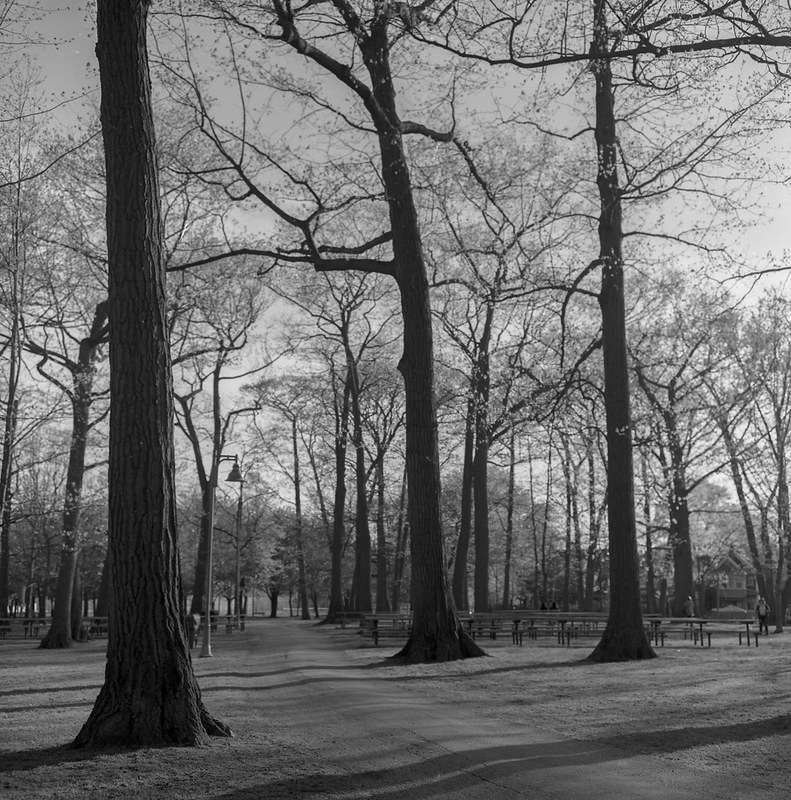
Last Thursday in the early evening I was shooting at the Beaches, with my Rolleiflex, a yellow filter and some Ilford Pan F and HP5+ film. The light was amazing, and I did my best to capture it. This post shows four of the Ilford Pan F examples.
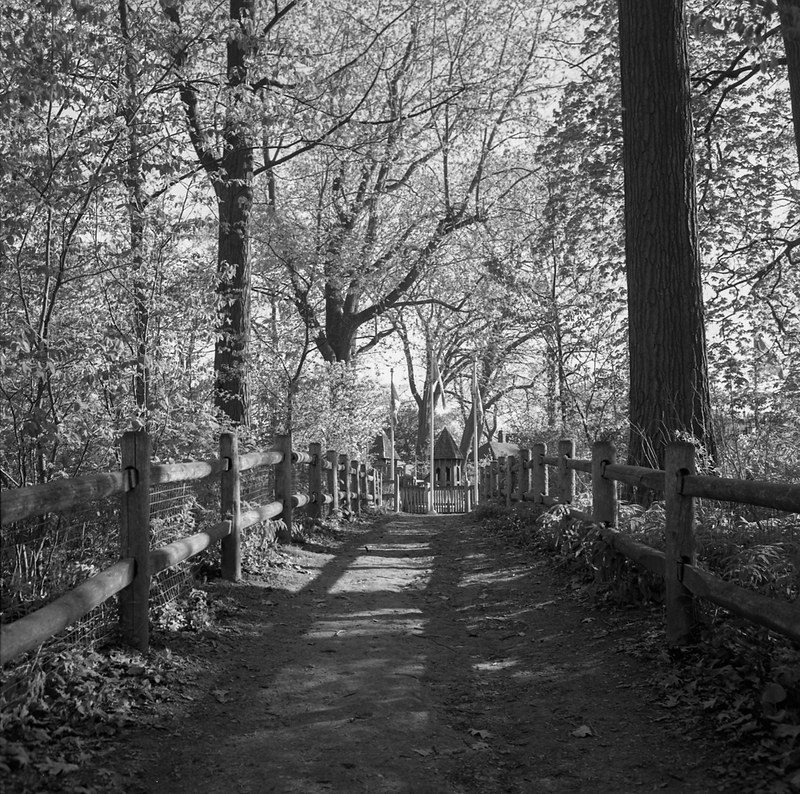

(You knew there was going to be a gazebo picture in there . . .)
A couple of weeks ago I was in the Art Gallery of Ontario to see a couple of exhibitions, and I had a camera with me. The second floor is a bright, warm and fascinating space, and the day was perfect to capture it with some colour film.

Voigtlander L 35mm body, 15mm/4.5 Voigtlander Super-Heliar lens,
Svema Foto-125 C-41 film
Yes, I like shooting gazebos! They have such an interesting geometry about them that I can’t resist, and there is no 12 step program for this particular architectural fetish 🙂
I’m also spending more time shooting large format, and enjoying the slower, more thoughtful process.

4×5 Speed Graphic, 127mm/4.7 Ektar lens.
FP4+ developed in HC-110 Dilution B, 7 minutes @ 20 C
In addition to shooting the 1860’s lens last Sunday in the Beaches, I also shot a comparatively more modern lens on the Speed Graphic: my 127mm/4.7 Ektar. I need to spend more time with this lens!
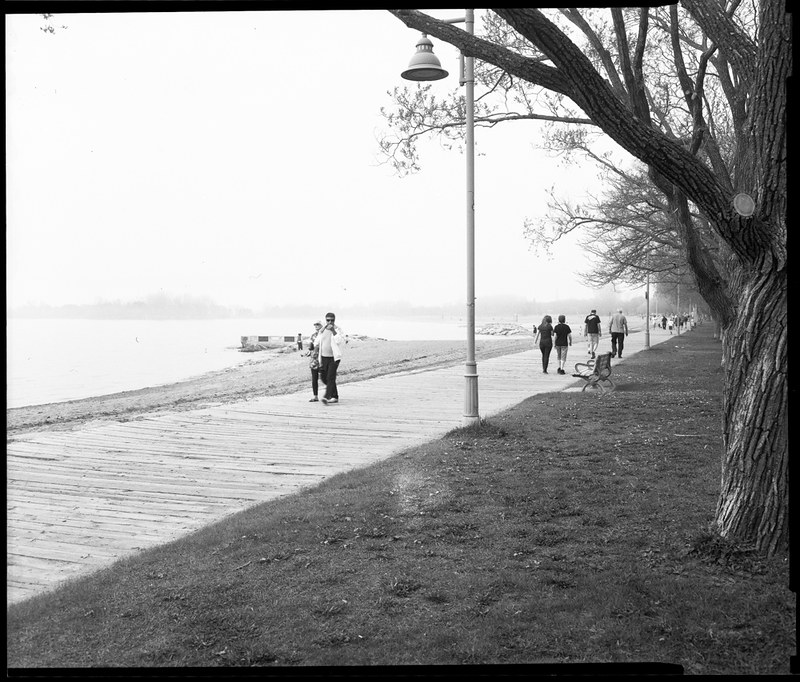
Speed Graphic, 127mm/4.7 Ektar lens.
Ilford FP4+ film developed in HC110, Dil. BN for 7 minutes @ 20 C
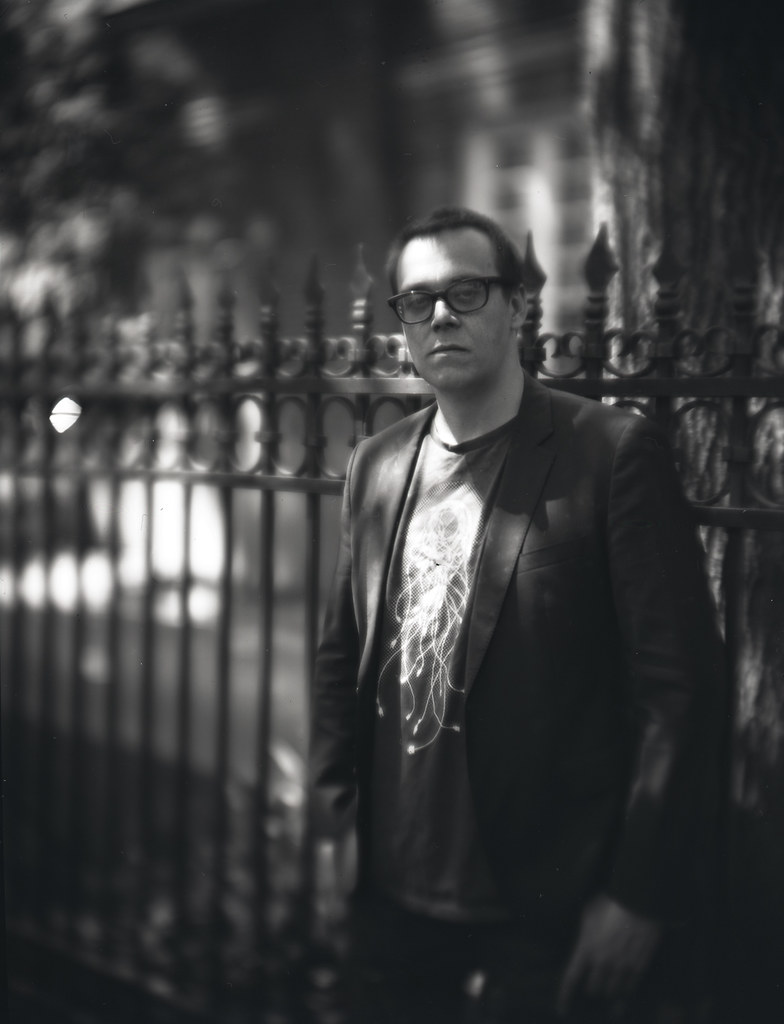
On Sunday of this past weekend I met up with my friend and fellow film photographer Ori, who agreed to pose for a couple of portraits shot with my 1950’s era 4×5 Speed Graphic camera, with my mid 1860’s Brass Petzval lens. The film was expired EFKE, with a speed of 25, sadly no longer made. This stock is orthochromatic, meaning not sensitive to red light, which was pretty standard for the 19th century, and great for male portraits.
I am finally happy with the results from this lens, meaning that I now want to shoot as many people as possible with it! 🙂
I don’t recall if I have shot this combination before, but I really like the results of shooting Ilford Pan F film on my Rolleiflex, and using Rodinal as the developer (1+50 for 11 minutes @ 20 C). The sharpness is what I was expecting, but what I did not expect was the highlights to hold so well, and not block up, even in contrasty forest scenes. We may not see much sun in Scotland, but I be taking some of this film along!
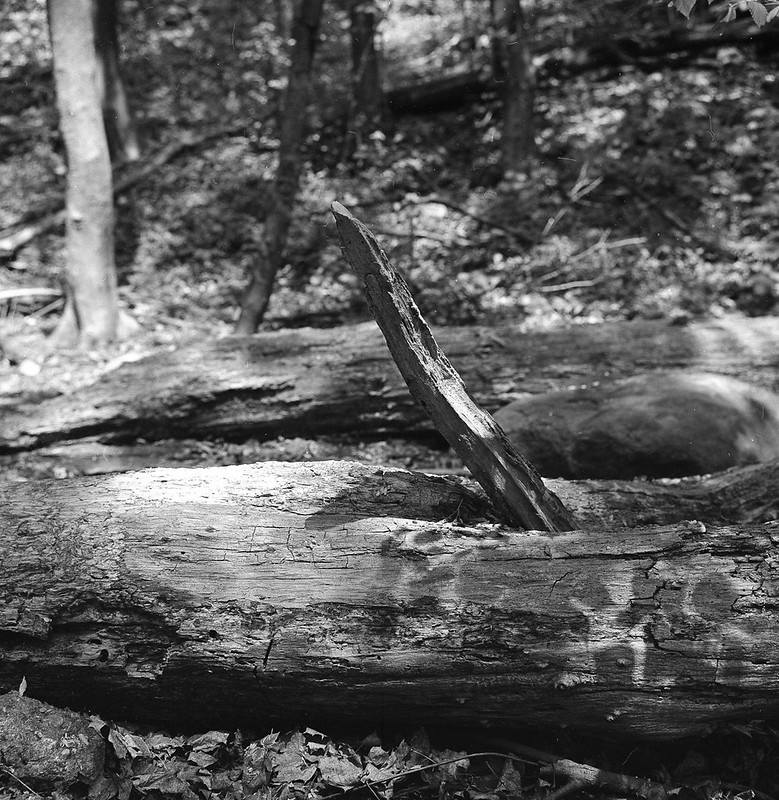
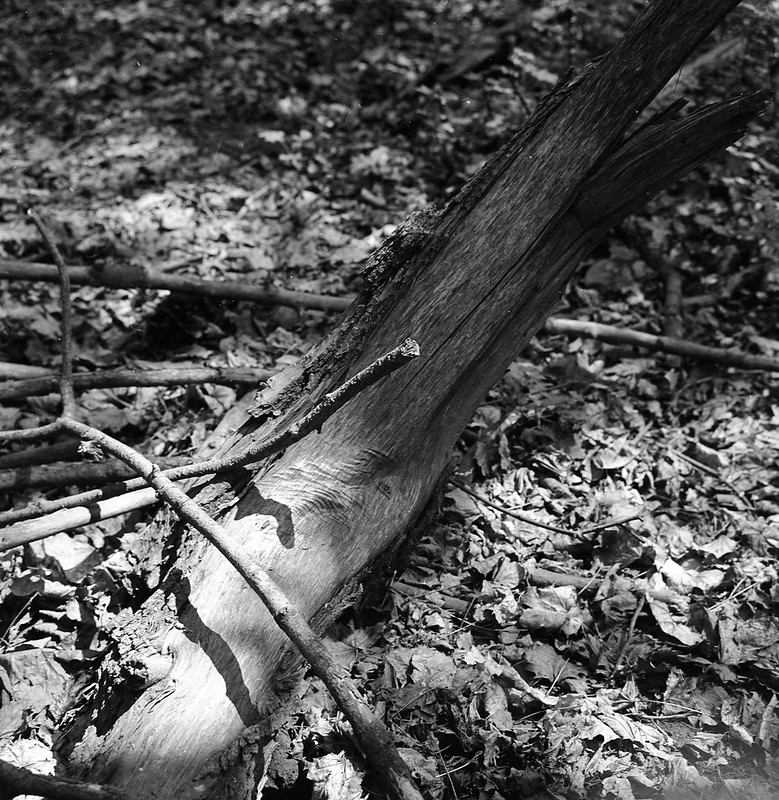
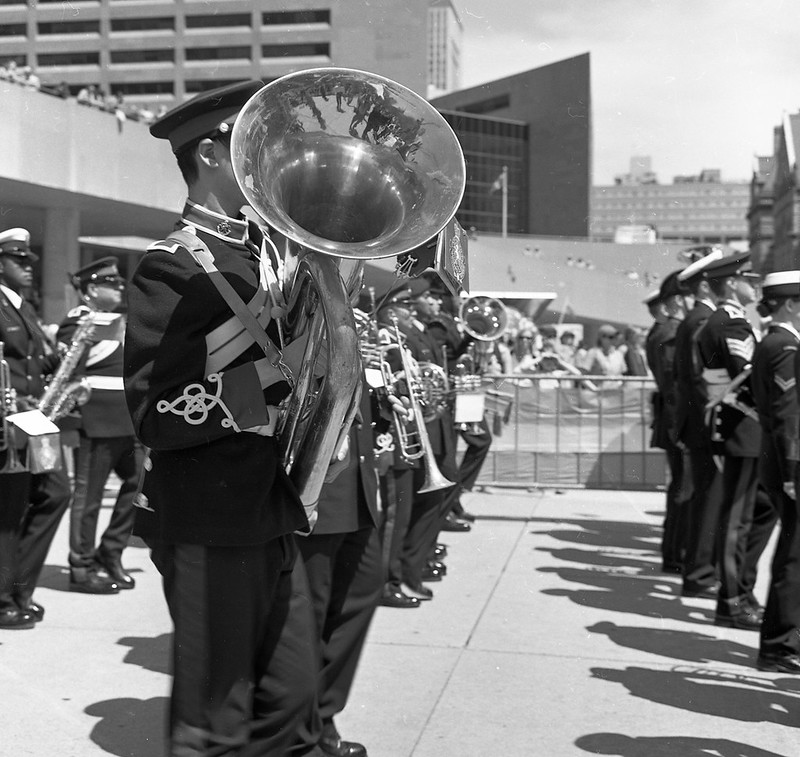
So on Saturday I thought I had a roll of Kodak Tmax 100 loaded in my Rolleiflex. I was shooting it at EI 50 to try a technique I had heard about. When I finished the roll and unloaded the camera I found to my horror that it had been a roll of Tmax 400, thus I had overexposed by 3 stops. I did some research/guesswork, and tried developing it in Pyrocat HD developer for 10 minutes and I got very usable negatives. When I mixed up the Pyrocat HD solution it turned bright green, which I have not seen before, but it still worked!
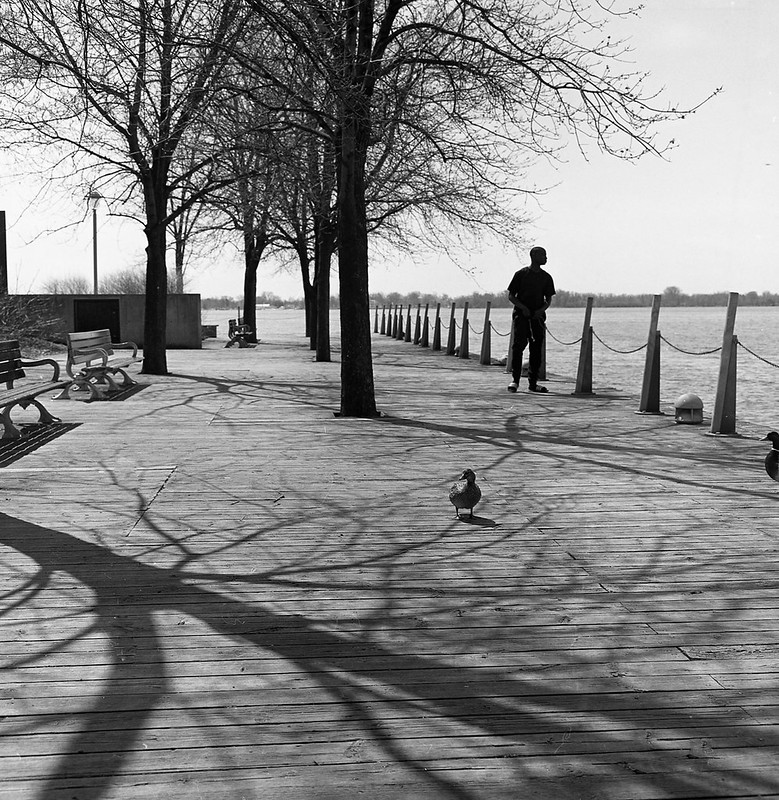
 My Third Eye